Mobility
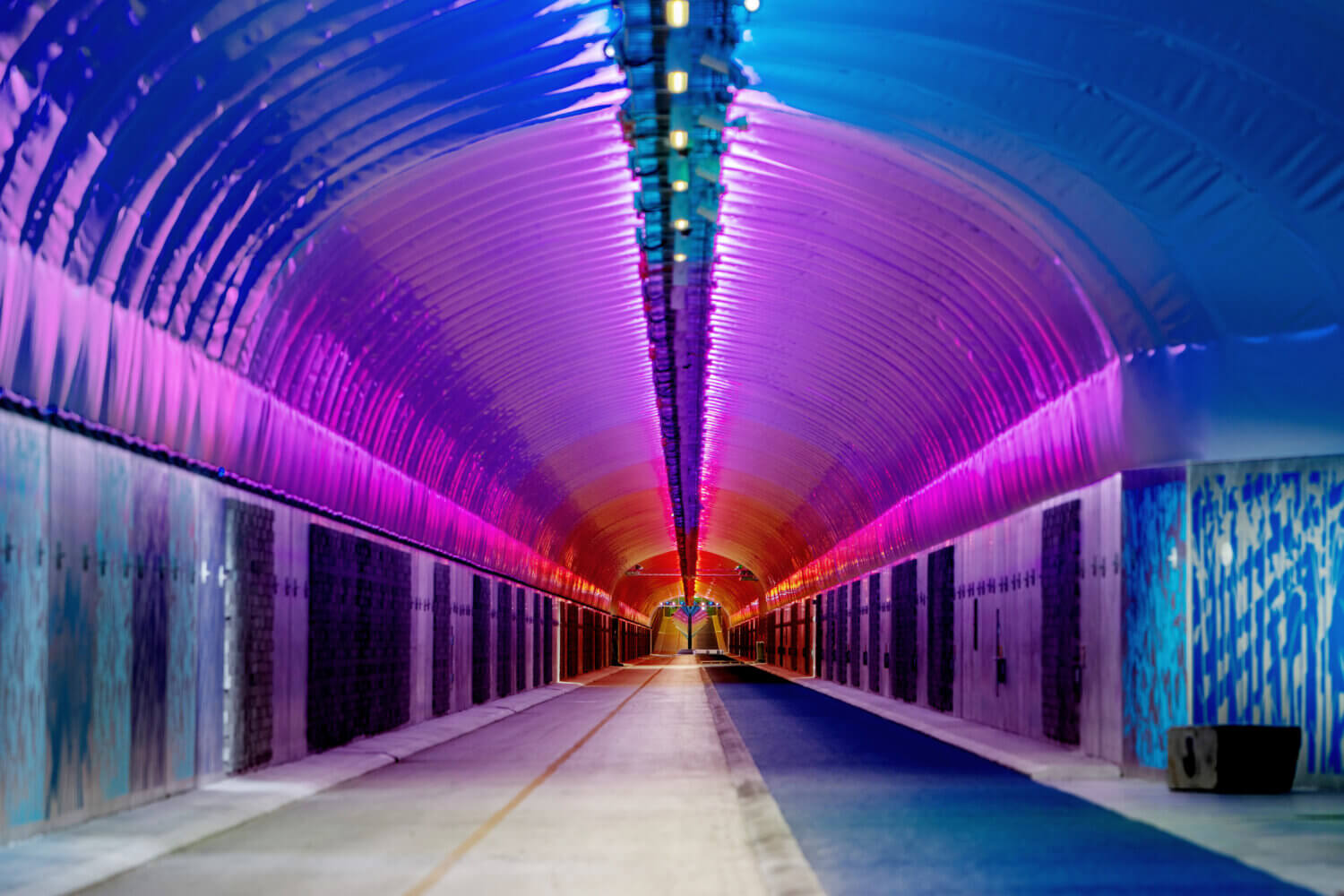
Mobility links to connections and forms of locomotion; individuals meet at sites which facilitate and improve their journey. The story of mobility-oriented designs is a story of transports, trajectories, movements – of dynamic features, well-being and interconnectedness. Many works by 3RW arkitekter are characterized by their distinctive commitment to improved mobility. As architectural visions, they assert the flexibility (and liberty of choice) which follows from being in transit.
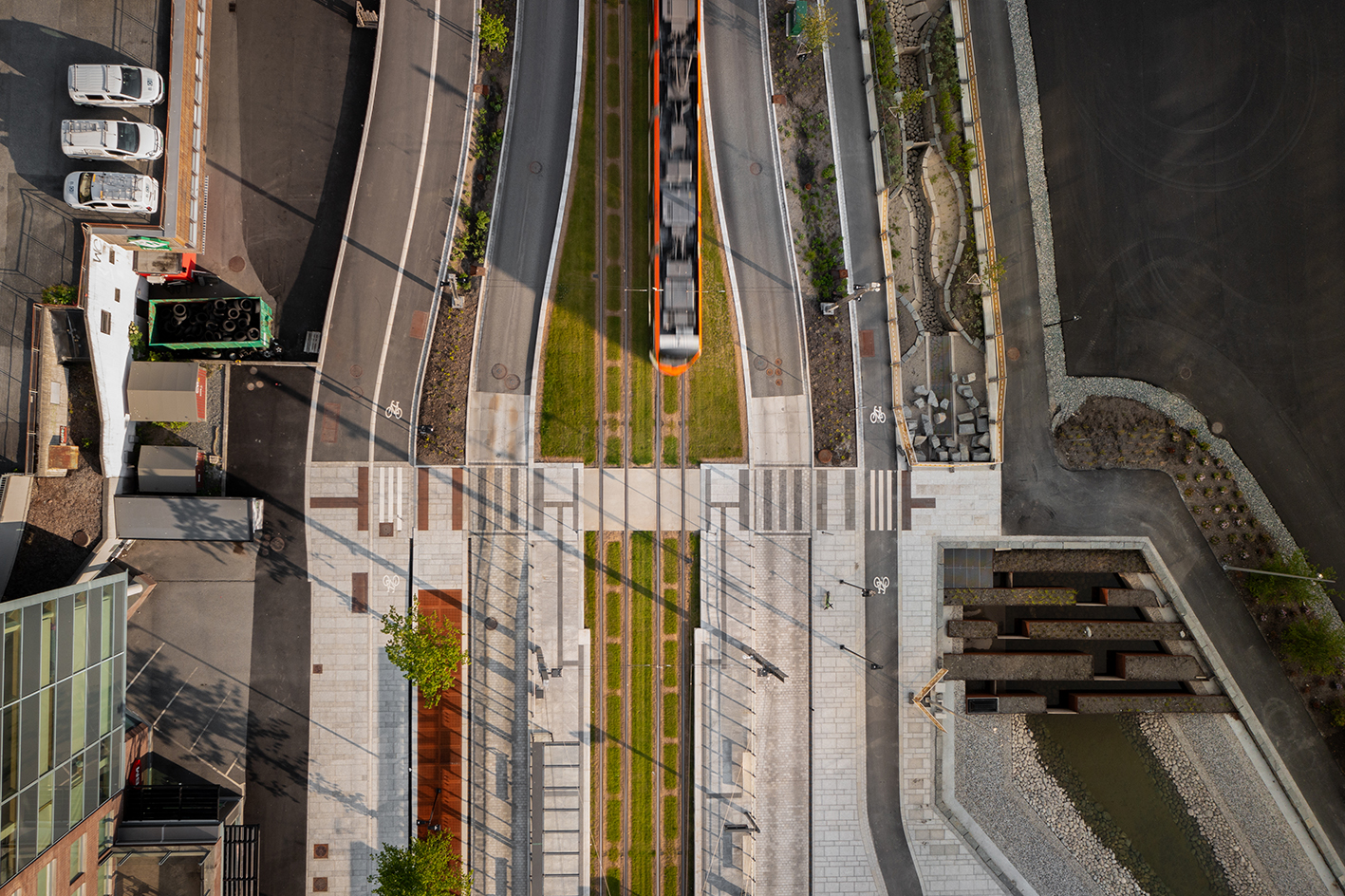
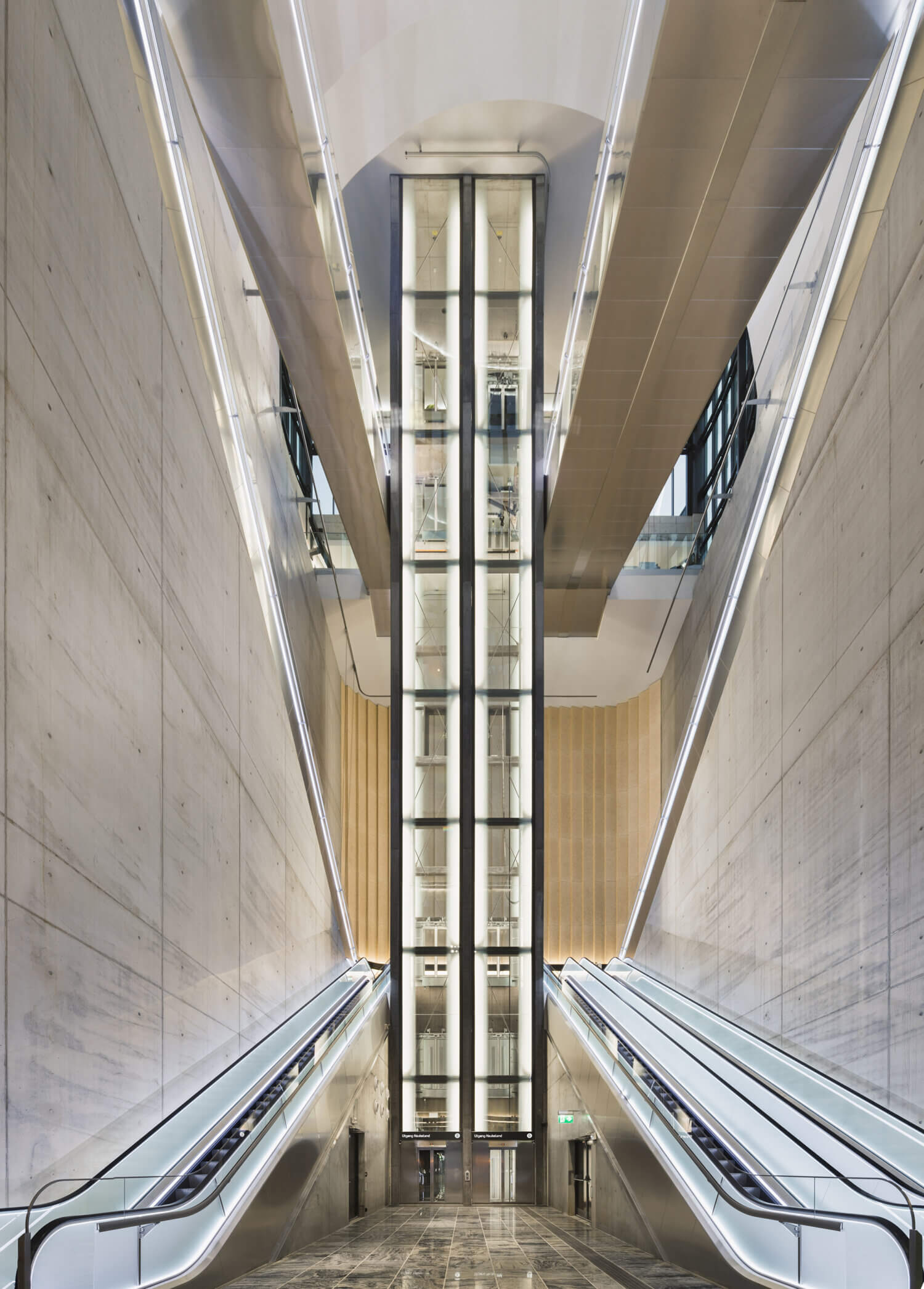
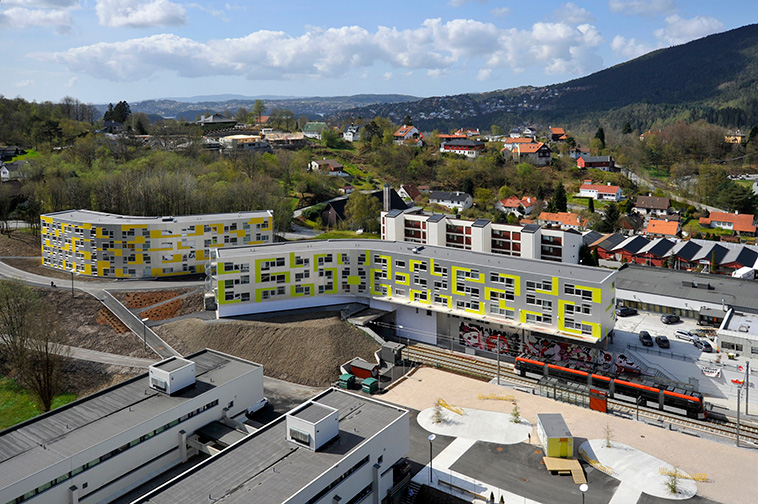
Urban environments have witnessed important changes and challenges; in our climate-conscious times, green transportation and density have emerged as key topics of city planning. Bybanen, Bergen’s light-rail train and one of the largest infrastructural transformations on the Norwegian west coast, shows 3RW’s approach to these key topics. The office’s role in the conception and construction of the public city train focuses on built and landscaped surfaces of stations, ensuring their good integration in the existing neighbourhood fabric. This work shows the comprehensive, user-friendly manner in which we envision (and materialize) urbanization and transport.
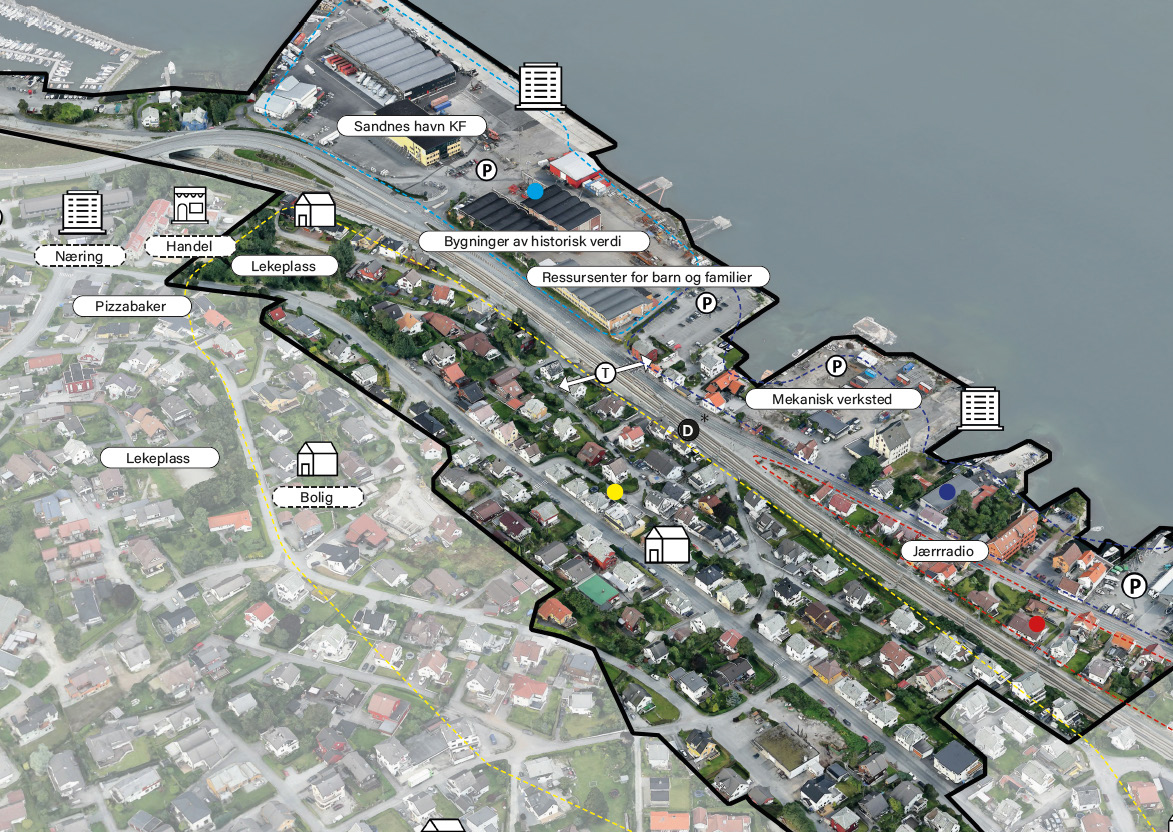
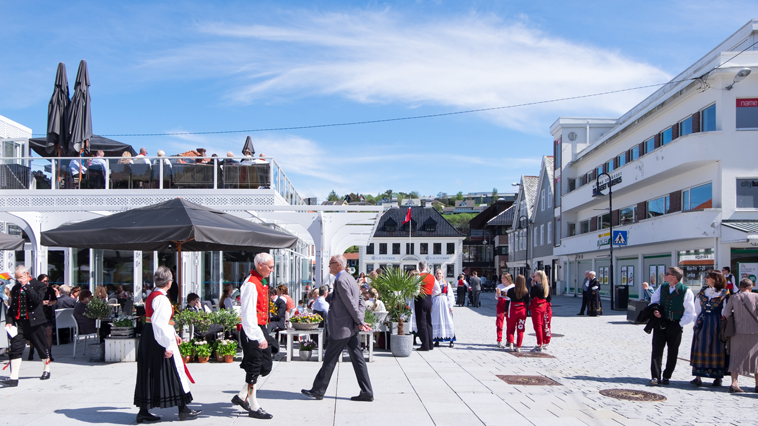
Motorised mobility is no longer the focus of city planning; most municipalities in Norway have turned to eco-friendly forms of commute, with the hope to decrease car traffic. Pedestrians, cyclists and public transport users are prioritized in numerous planning projects at 3RW – our ‘Gatebruk’ feasibility studies (Bodø, Randaberg, Hillevåg) focus on city-grid qualities and the improvement of old road infrastructure; big parking lots are identified and turned into lots built with novel, improved uses. These development schemes single out specific streets, which are re-designed in detail to accommodate sustainable modes of transportation.
When tasked with the design of new neighbourhoods, 3RW ensures that green options for moving across the site are available; these are put in place from the very first phase of the project. Reduced car places or the creation of additional bike and bus stations signal a new way of living and moving in residential areas; new housing districts articulated around automobile-free alleys and cosy, elevated walkways. Alternative transit (bike trails, sidewalks and express bus routes) are prioritised.
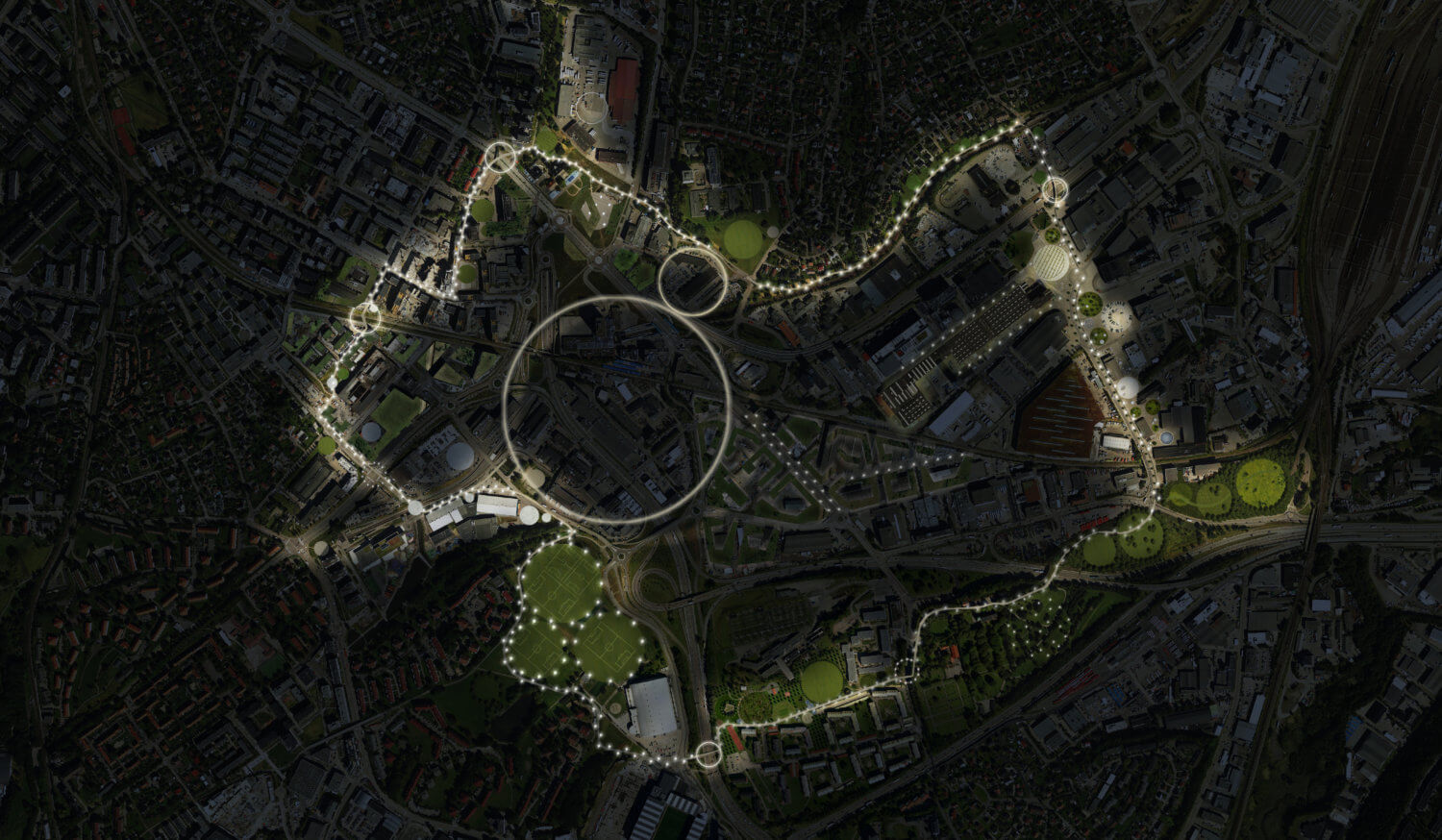
Masterplans realized for small Norwegian municipalities are realized with a strong awareness of users’ feeling of comfort and safety. We understand mobility as the design of attractive, new ‘active transport mode’ paths –these paths are supported by a collection of objects, furniture and programmed spaces. Our team of architects and planners make sure that these large urban plans make good use of vegetation and lighting, in order to increase the attractiveness of footways and cycle lanes.
Mobility can also relate to a possible property of architecture to be assembled and dis-assembled easily, with the goal of being brought to some other site, or adapting in size to new programs and users. Modular buildings have come to represent the portable architectural object par excellence. Their size, ease of assembly and industrial components facilitate their movement; by nature, they are meant to be flexible, lightweight; lifted, towed or permanently dismantled. A selection of 3RW designs (‘Modulhytte XO-S’, Måbø, Cold Hawaii) show the office’s efforts towards the creation of truly mobile architecture.