Workplace
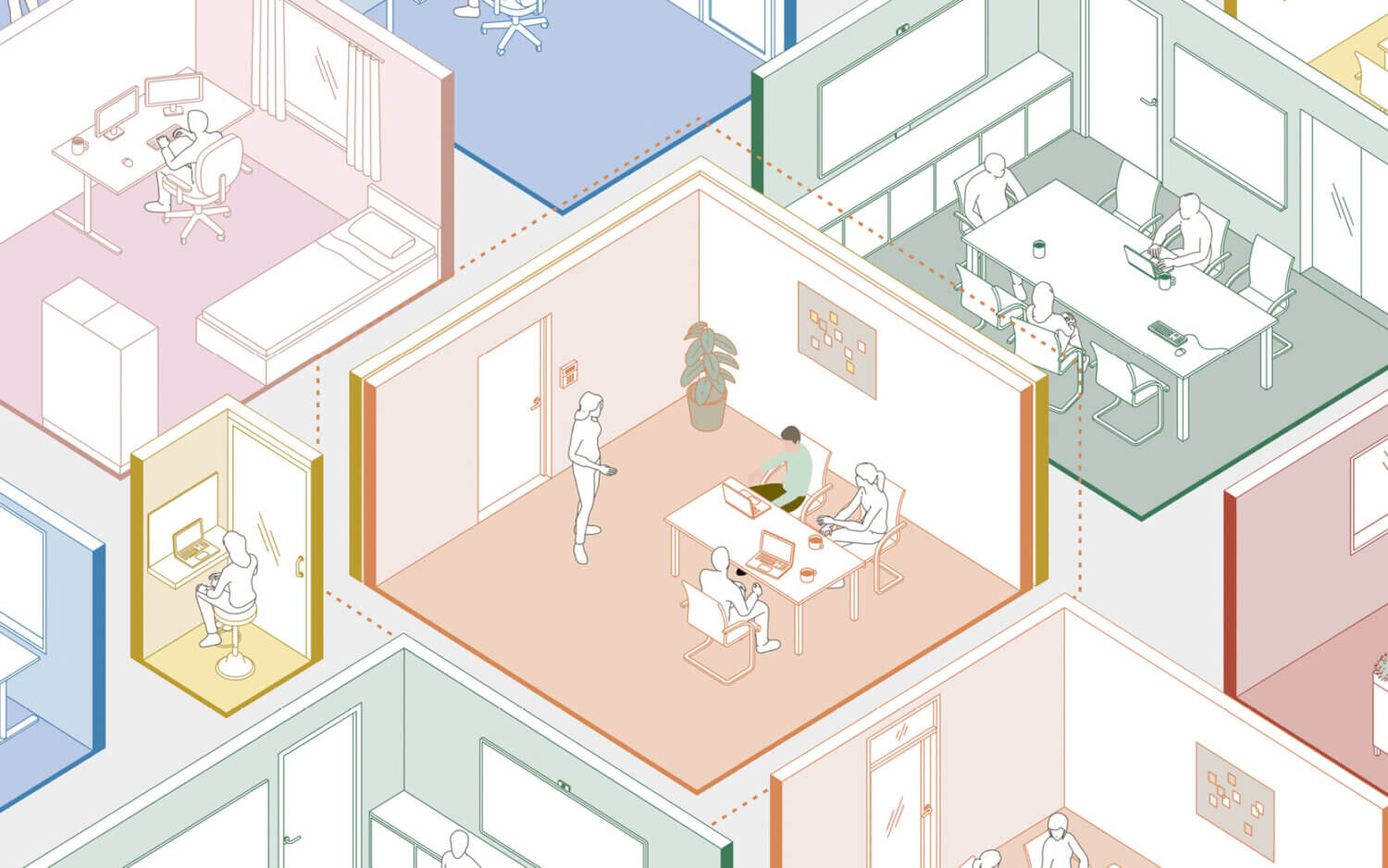
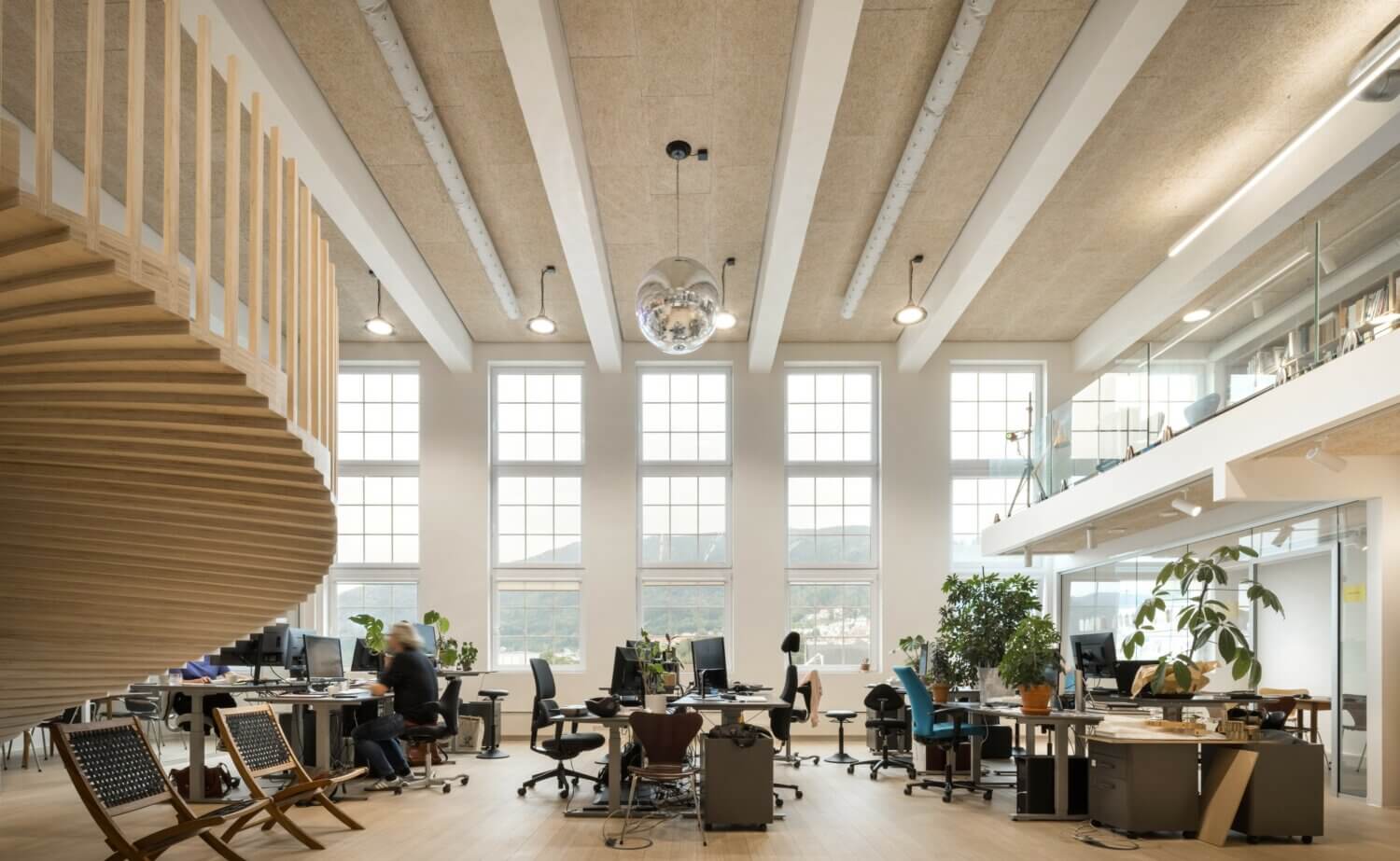
Workplaces are changing, and they are changing fast. The 2020 pandemic forced most of workers to turn to new workplace solutions, with a focus on digital platforms and other ‘remote’ means of communication. Many figured out ways to solve work-related problems outside of the office, opening up to new tools and technologies. There is much to learn about productivity and efficiency in moments of crisis: this shift arose in light of specific societal circumstances, but it is now pursed willingly, with intent.
Workplace relations go beyond physical space and arrangements: they are embedded in all sorts of environment, allowing for reshuffling, experimenting, and innovating. Employers and employees are encouraged to conceive of the workplace differently – among other, to conceive of it as a key social meeting place. The strong connection between work environments and social activities and exchange was made obvious during (and after) the pandemic, and developments in the workplace should aim at strengthening this connection.
Importantly, this aligns with individuals’ growing expectation that their site of employment provides flexibility and a good work-life balance. These recent global trends show the necessity of shaping workplace sites into attractive ones, therefore allowing actors in public and private sectors to recruit the best workforce. To re-imagine the contemporary workplace is to ask, among other: what is a truly flexible workplace? What is it that we need to change about traditional work arrangements, and what it is that we need to preserve? How do we implement change without disrupting former qualities? And can we embed core values like inclusivity and sustainability into new workspaces?
Flexibility, work-life balance, inclusivity, sustainability: these are values that we want to leave open and flexible for future workers and professional projects; there are things that we want to lock-in and protect far into time. Workplace concepts are designed in ‘resilient’ ways: they build from earlier knowledge and adapt to new realities and demands. They do so by multiplying options for conducting good, efficient work, shaping architectural environments that adjust to varying needs.
-
Forsvarssektorens arbeidsplasskonsept
![]()
-
Ny helikopterbase Nygaardstangen
![]()
-
Nye Raftohuset
![]()
-
Paradis
![]()
-
Kontorbygg C. Sundts gate 53
![]()
-
Lyngdal Healthcare Center
![]()
-
Furuset Hageby
![]()
-
Sunnhetsgrenden Vardheim
![]()
-
Straume Compact Urban Neighborhood
![]()
-
Nygårdsgaten 91-93
![]()
-
BEK – Bergen Centre for Electronic Arts Refurbishment
![]()
-
Regjeringskvartalet: Government District
![]()
-
Lagårdsveien 78-80
![]()
-
Office Building Laksevåg
![]()
-
Nordnes Ende
![]()